Service
MVP development services a clickable prototype first, a first release built with AI
AI MVP development services for a new product, from the first version to its release. We start with a clickable prototype of the MVP and an estimate for each feature, then build it on the Artkai AI SDLC: agents do the work inside each stage, and one accountable person authorizes what leaves it. A founder gets a first version that investors and first users can try; an enterprise team gets the first release of a new line of business with a record of who agreed to what. Before the method we built platforms for a large energy company, a fintech company and a US tech company, some with AI at their core.
The situation
Every estimate describes a different first version
You have a description of the product that everyone has approved and a launch date that people have started to repeat. You ask a few engineers what it would take. One says it depends on what version one means, another answers with a number that sounds like a different product, and a third wants a discovery phase before saying anything at all. All three are being reasonable. None of them has looked at the same screens.
Meanwhile somebody has already shown the board a demo of an AI feature. It answered well in the meeting, and nobody has written down what it should do when it is unsure, which system it reads from or who owns it after launch.
For whoever builds the product, the trouble is the same in both cases: there is no shared picture of the first version to estimate, and no record of who agreed to it. That is where we start.
How we work
What you review while your MVP is built a signed-off result at every stage
AI MVP development starts with a prototype you can click
The first step produces a clickable prototype of the first version and the list of features behind it, each with an estimate. Your product owner reviews both while changing them is still cheap, decides what is left for later and why, and the plan to the first release comes out of what the two of you agreed. A new line of business gets its AI MVP scope the same way, and an enterprise team gets something concrete to put in front of the people who sign the budget.
MVP software development that runs in stages
The build runs on the Artkai AI SDLC. Requirements, architecture, code, tests and release each end in a document, and the next stage starts only from one that has been authorized by the role named on it. Agents draft the requirements, write code and turn requirements into test cases, so QA runs with agents from the first sprint. Who authorized each document, and when, is kept in your project, which is where an audit or a due-diligence review would look.
An MVP development company that stays after the release
The first release is a stage, and so is what follows. After it the Maintenance stage takes over: every later change ends in a change record, authorized the same way. If you take the product in house, your team inherits the documents along with the code. If you want us to carry on with the roadmap, that is the Agentic Pod: a standing team that works on the same method.
Scope and prototype
- The product in a paragraph
- Who it is for, the one job it does for them, and what has to be true for the first version to count as released.
- Features and estimates
- Each feature with a line on what it does, which user it serves and an estimate in working days. The estimates add up to a first version you can compare with your budget.
- Left for later
- What was cut from the first version, and the reason for each cut, so the decision can be reopened.
- Prototype
- A link to the clickable prototype: the screens a first user passes through, from signing up to doing the one job.
- Plan to the first release
- Which features go in first, which can wait, and the decisions you owe us before building starts.
When the product already exists
You run a product and want AI in it. That is AI Integration, not a new build.
It has two tracks: adding AI features, and fixing AI features that shipped and are not used.
It starts from your product, with its users, data and release process.
What you get
From a scoped first version to a product in maintenance
The prototype fixes what the first version is, and the stages build it with a record of who agreed to what.
Scope and prototype
One picture of the first version that the product owner, the engineers and the budget holder all look at.
- The first version broken into features, each with an estimate
- A clickable prototype, from signing up to doing the one job
- What was left for later, with the reason for each cut
- A plan to the first release and the decisions you owe us before building starts
MVP development on the Artkai AI SDLC
The product built stage by stage, with a document at the end of each one.
- Requirements and architecture, each authorized by the role named on it
- Code and tests written with agents, authorized before they move on
- Test cases drawn from the authorized requirements
- A first release, then a change record for every change after it
- The record of who authorized what, kept in your project
Proof
New products we built before the method some with AI at their core
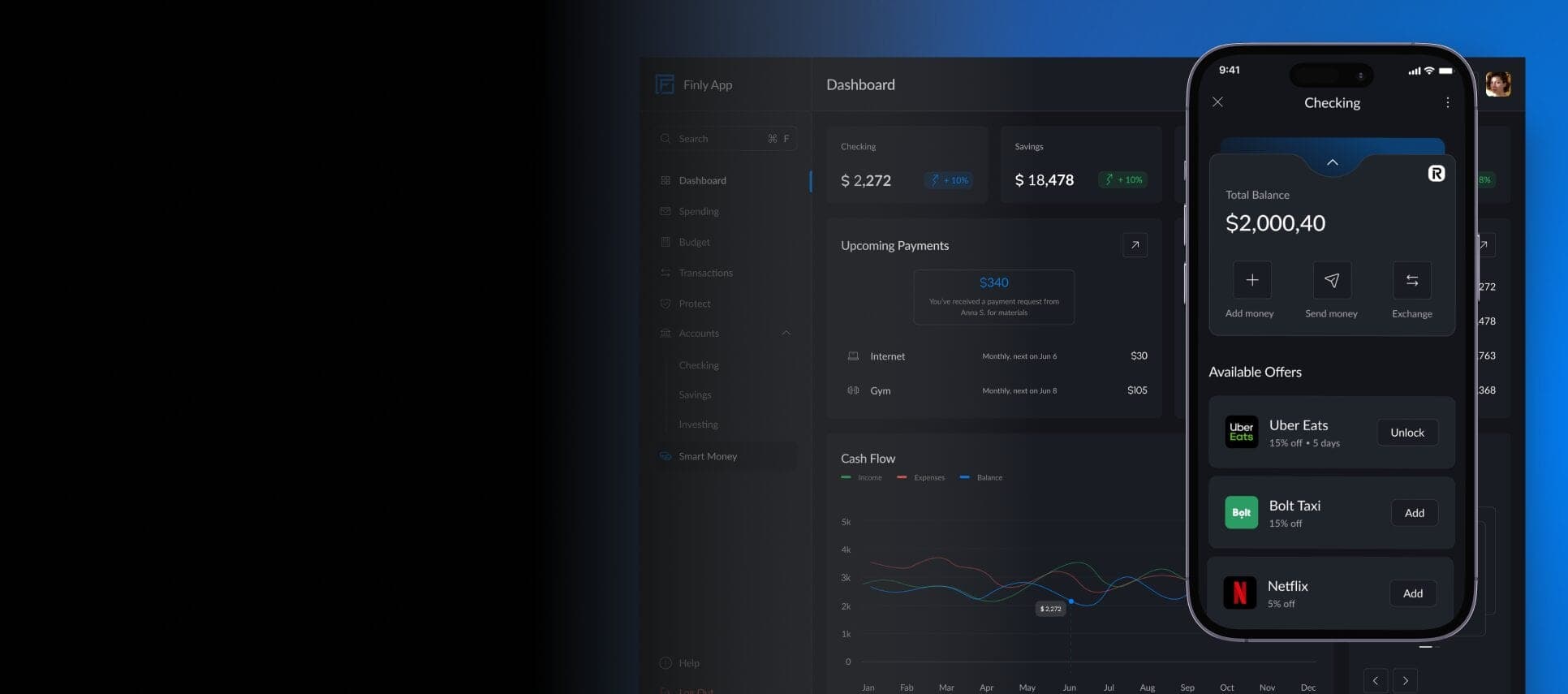
Finly
A cross-platform personal finance app for web and mobile: linked bank accounts, budgets, bills and subscriptions, savings goals. Built from discovery to the first release, and on after launch.Case study →
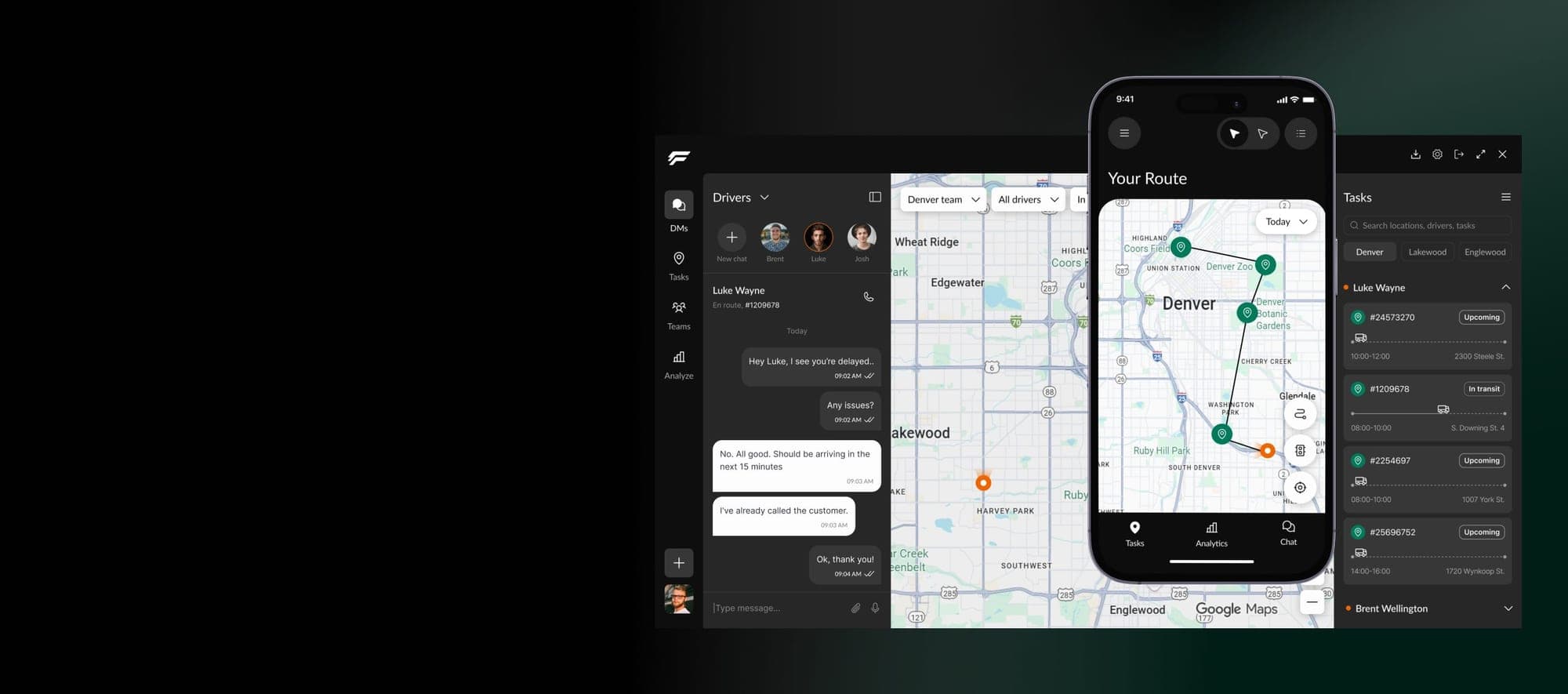
FleetFlow
A white-label delivery platform: an operations console, a driver app with proof of delivery, and tracking for customers.Case study →
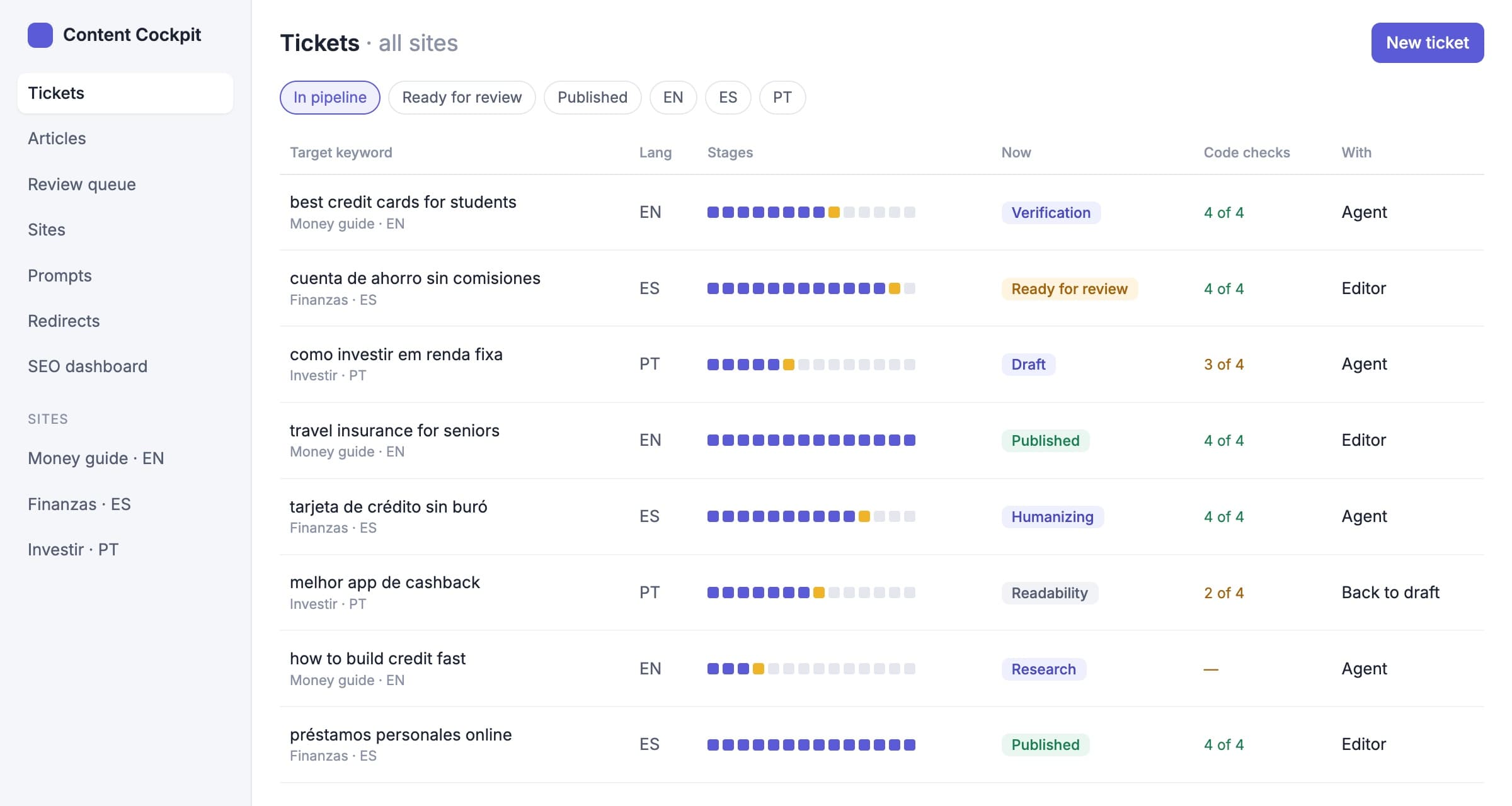
Content operations platform
A content operations platform in production at an affiliate marketing operator: agents write articles through staged checks, and people sign off before anything goes live.Case study →
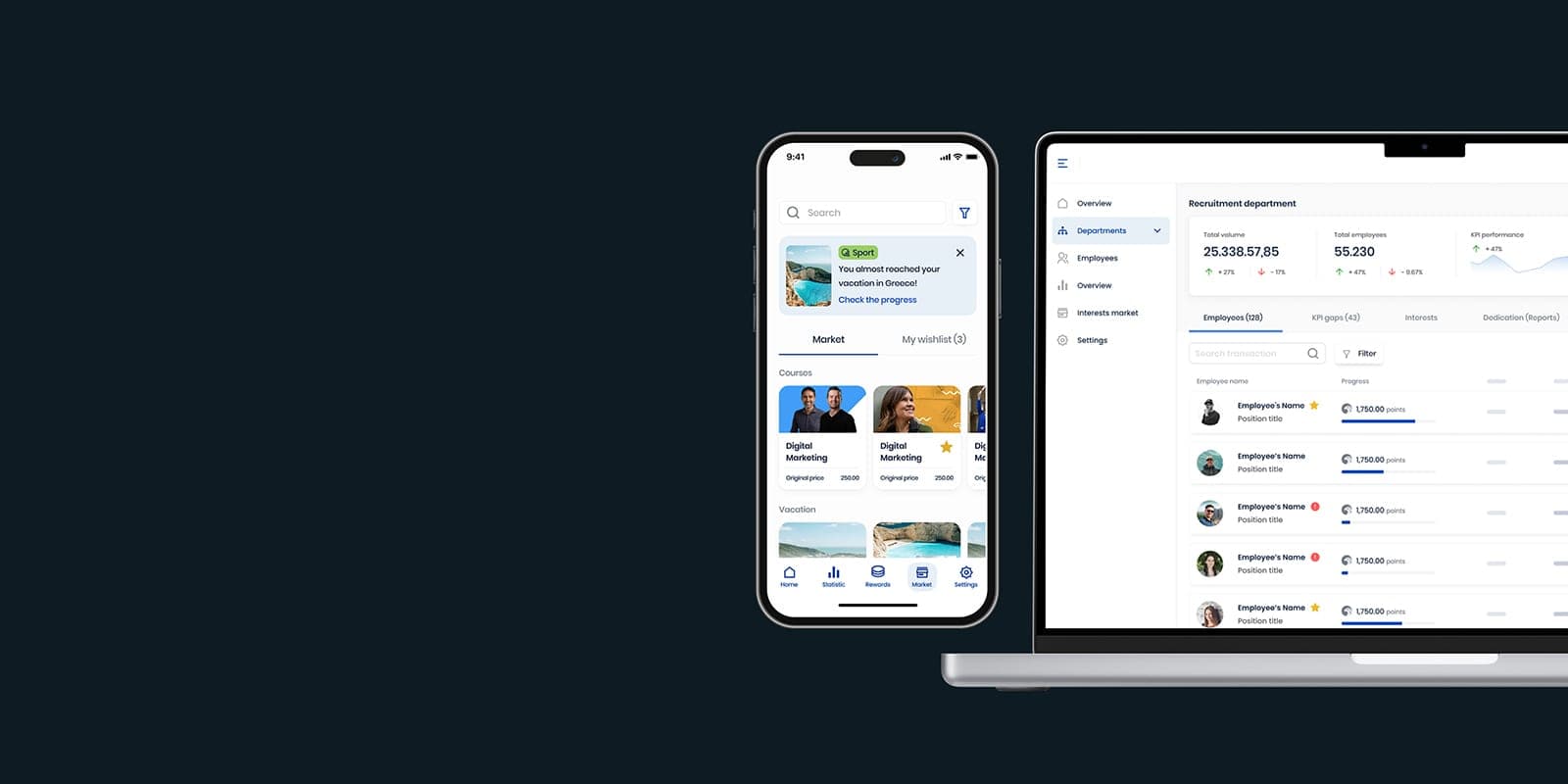
AI-powered human capital management
An HR platform for a large energy company: goals, performance tracking and rewards, with AI-assisted analysis for HR managers.Case study →
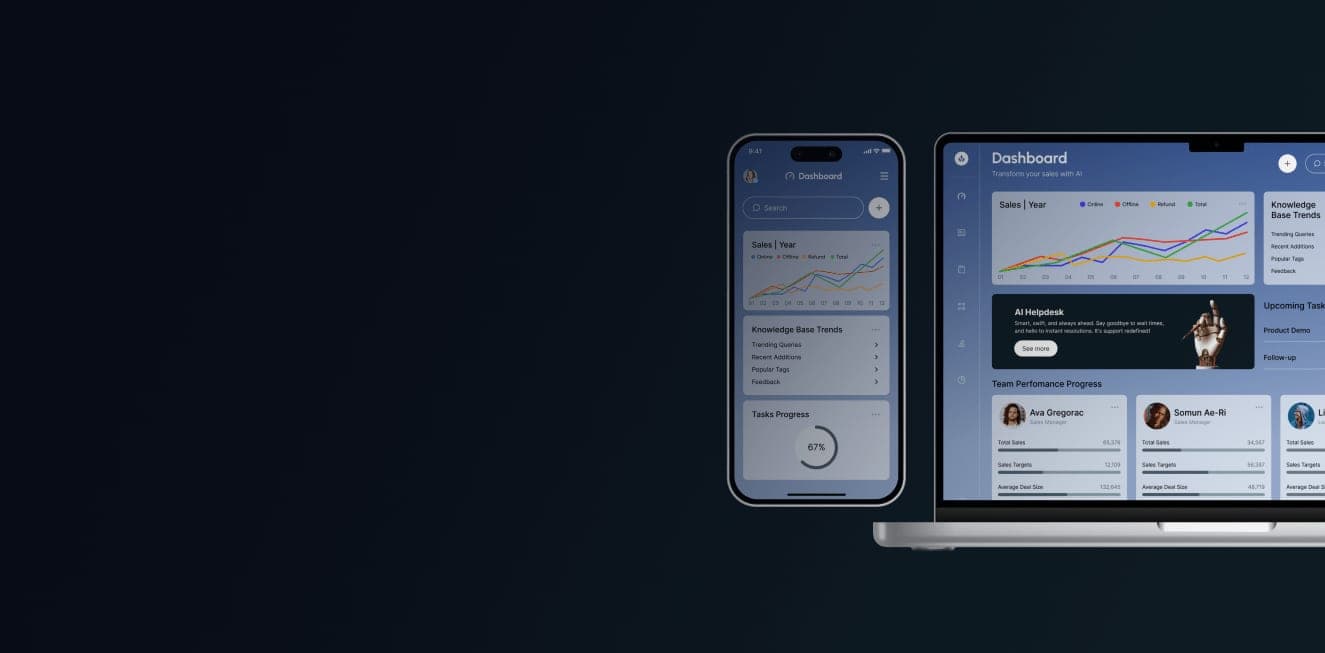
AI-powered sales platform
A sales platform that keeps customer data in one place: CRM, a helpdesk with suggested replies, a workflow builder and a knowledge base.Case study →
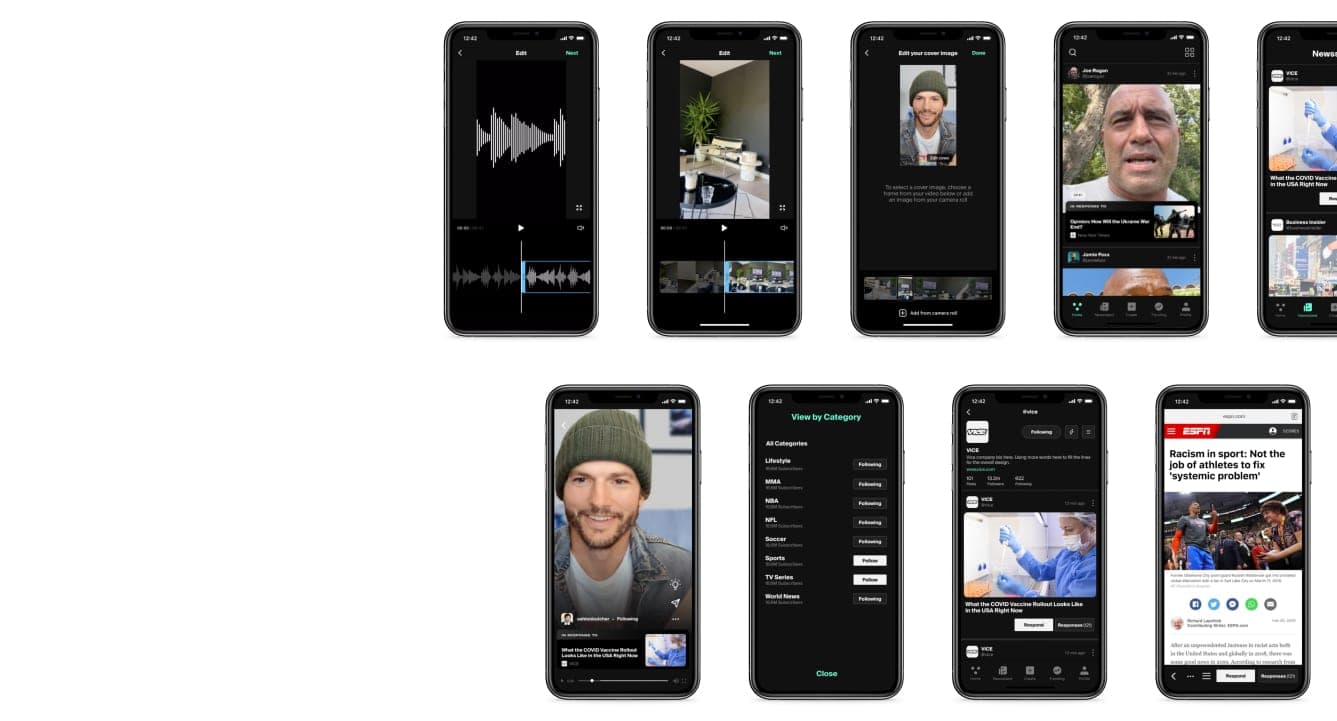
AI-featured social media app
A social news app with an AI-powered feed and AI content supervision, built for iOS and Android.Case study →
First step
Scope and prototype
How long
about 2 weeks
From you
the product owner
You hold at the end
the first version broken into features with an estimate for each, a clickable prototype, a plan to the first release. The code is yours, and who authorized each document, and when, is kept in your project.
Questions
What does AI MVP development with Artkai look like?
It starts with a scope and a clickable prototype of the first version, with an estimate for each feature. The build then runs in stages on the Artkai AI SDLC: agents do the work inside each stage, and one accountable person authorizes what leaves it.
What do your MVP development services include?
Scope and a clickable prototype, then requirements, architecture, code, tests and the first release, each ending in an authorized document. After release the Maintenance stage takes over.
Do you help with product strategy before the MVP?
Yes, in the first step. In about two weeks, with your product owner, we break the first version into features with an estimate for each and build a clickable prototype of it. You decide what is left for later and why while changing it is still cheap, and the plan to the first release comes out of what you agreed. That is how the scope of the MVP is settled before the build starts.
How are you different from other AI MVP development companies?
In how the work is done and recorded. Agents work inside each stage of the build, and the next stage starts only from a document a person on the agreed role has authorized, so you can see who agreed to each part of the product and when.
What if we already run a product and want AI in it?
Then you want AI Integration, which starts from your product, not from a new one. It has two tracks: adding AI features, and fixing AI features that shipped and are not used.
Do you build MVPs for startups as well as enterprise teams?
Yes. In startup MVP development, a founder gets a first version scoped to the budget, which investors and first users can try. An enterprise team launching a new line of business gets the same scope, prototype and stages, plus the record of who authorized each part, which its own reviews will ask for.
Can you take an AI demo that never went live into production?
Yes, and the AI Integration page describes how. We add what a demo usually lacks before real users touch it: quality checks, integrations with the systems it reads from, access and cost control, and monitoring.
Is an AI proof of concept the same as an MVP?
No. A proof of concept answers whether something can work, often with code that is thrown away; an MVP is the first version real users get. The clickable prototype answers the first question cheaply, and the build takes the answer to a first release.
What kind of AI goes into the products you build?
We build products and features where AI does part of the work: natural-language search, document assistants that cite their sources, copilots inside your tools, help with onboarding. We have shipped an HR platform with AI-assisted analysis for HR managers and a sales platform whose helpdesk suggests replies.
Do you build AI agents too?
Agents that take over a step of a business process belong to Business Process Automation, which starts with that process mapped. In MVP development, agents are part of how your product is built: they work inside each stage, and a person authorizes what leaves it.
Who owns the code and the record of decisions?
You do. The code is yours, and who authorized each document, and when, is kept in your project, which is where an audit or a due-diligence review will look for it.
Related
AI Integration
Already run a product? AI goes into it there, as new features or as a fix for features that shipped and are not used. The work starts from your product, not from a new one.
Agentic Pod
When the first release is out and the roadmap goes on, and you want the same method with a team that stays.
Artkai AI SDLC
The six stages your build would pass through, and the document each one ends in.