Service
UI/UX design services find where your product loses users, and get the fix as working code
Our UI/UX design services start with the flow that costs you the most users: we take it apart, rank its problems by what each one costs and redesign it. The decisions then live in components your engineers use, so later releases keep to them instead of drifting away.
The situation
The prospect went quiet at the signup screen
The demo goes well until the signup flow. The prospect nods, then goes quiet, and the trial never starts. You ask which screen lost the last few trials and get three different guesses. The redesign has been about to start for longer than anyone wants to admit, and each quarter a feature takes its slot.
A UX audit settles which screen it is. We take that one flow apart, from entry to the point where users should have succeeded, and set what we see against your analytics. You get the problems ranked by what each one costs in lost signups or support load, the evidence behind every finding, and a concept for the key screens.
How we work
A UX audit of one flow first then the rest of the product in order of cost
Redesign from the flow that leaks most
We start where users leave and work outwards as far as the evidence justifies: a UX audit of one flow or of the whole product, a review of onboarding and activation, a full redesign if the findings call for one. In a SaaS product that flow is usually signup, onboarding or activation.
A design system your team builds from
Tokens and components defined once, as code. The library is the source, so design and product stay in step and a new screen is assembled from parts that already exist. The design system is built with the product, not as a project of its own.
Design engineering: design handed over as code
What your engineers receive is a working front end: components built in React, browsable in Storybook and kept in your Git repository, with tests beside them. Their part is the logic behind the screens; the screens themselves already exist. Each change reaches you as a pull request, reviewed like any other.
AI in the design work, and design for AI features
AI shortens discovery, the stretch before design starts, and the step from an approved concept to a working front end. In AI product design the hard part is what the user sees when the model is unsure or wrong, so that state is designed first, next to the one where everything works.
Flow findings
- Flow
- The flow under review, from entry to the point where users should have succeeded, with the analytics view of where they leave.
- Findings, ranked by cost
- Each problem with where it occurs, who it affects and what it costs in lost signups or support load.
- Evidence
- Funnel data, session recordings and an expert review. Every finding links to what supports it.
- Concept
- The key screens redrawn for the top findings, with the reasoning for each change.
- What it would take
- The order to fix things in, and what each fix depends on.
What you get
From findings to working components
The audit says what to fix, the design system makes the fix reusable, and the front end puts it in front of users.
Research and redesign
What the product should feel like, and where users get stuck on the way through it.
- A UX audit of one flow or of the whole product
- Problems ranked by what each one costs
- A review of onboarding and activation
- A redesign of the flows the findings point to
A design system
Every new screen stays consistent with the last one.
- Tokens for color, type and spacing
- Components defined once, as code
- Design files and code kept to the same library
- New screens assembled from existing parts
Front end, ready to build on
Screens your engineers build on instead of redrawing them.
- React components, delivered as pull requests to your repository
- Browsable in Storybook, with tests beside them
- Written to the conventions of your codebase
- The logic behind the screens left to your team
Proof
Where this has shipped and how fast the work moves
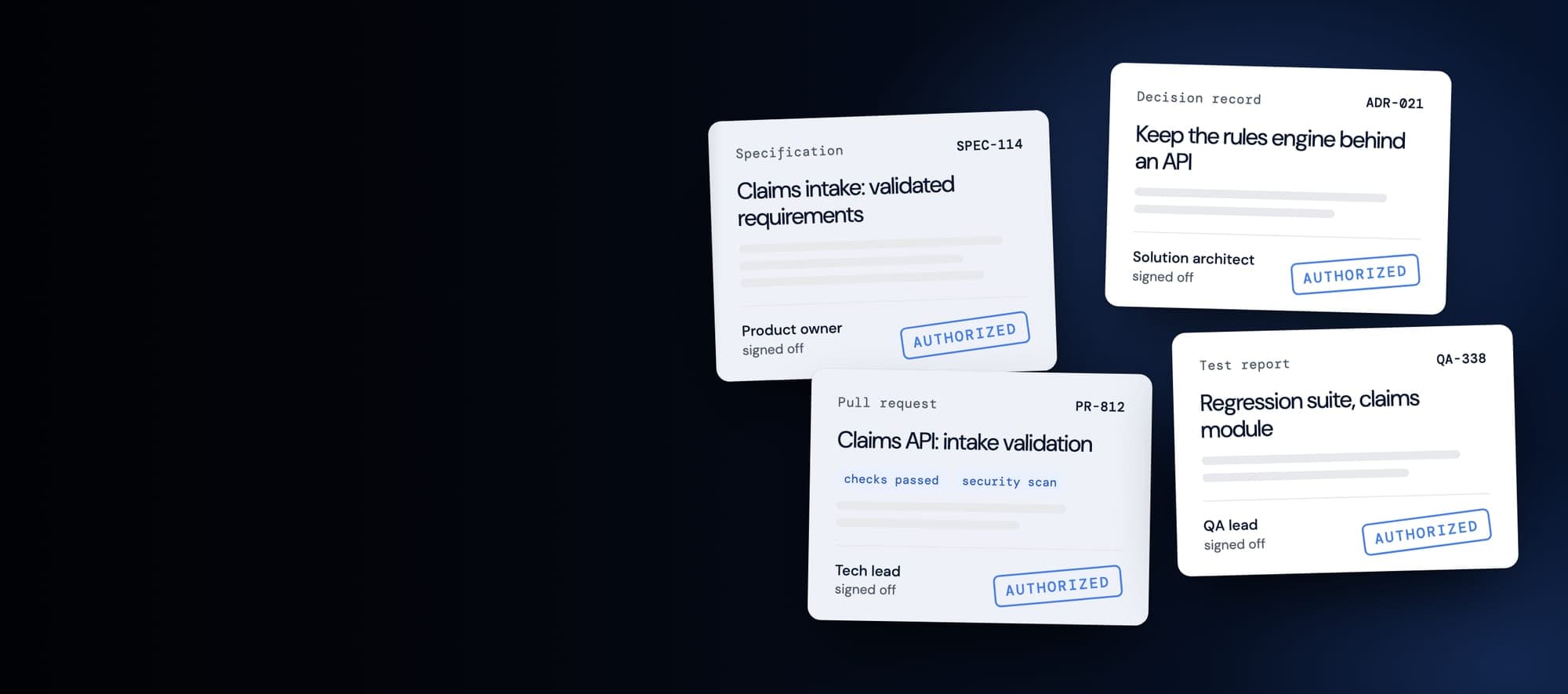
Artkai AI SDLC at a US health-tech company
Agents documented legacy systems and turned validated requirements into test cases.Case study →
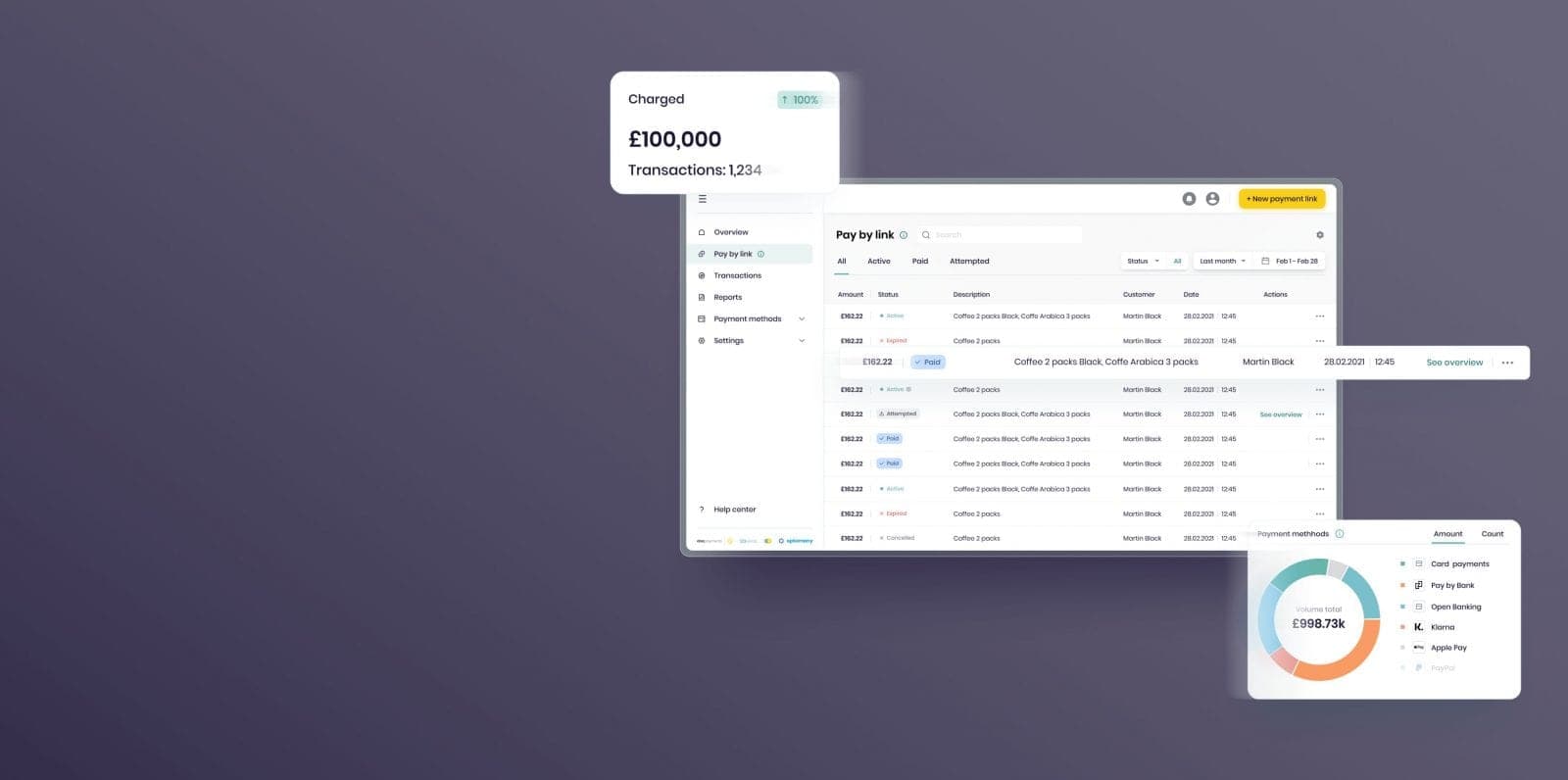
DNA Payments
A merchant portal redesigned around onboarding, with the mobile version it lacked.Case study →
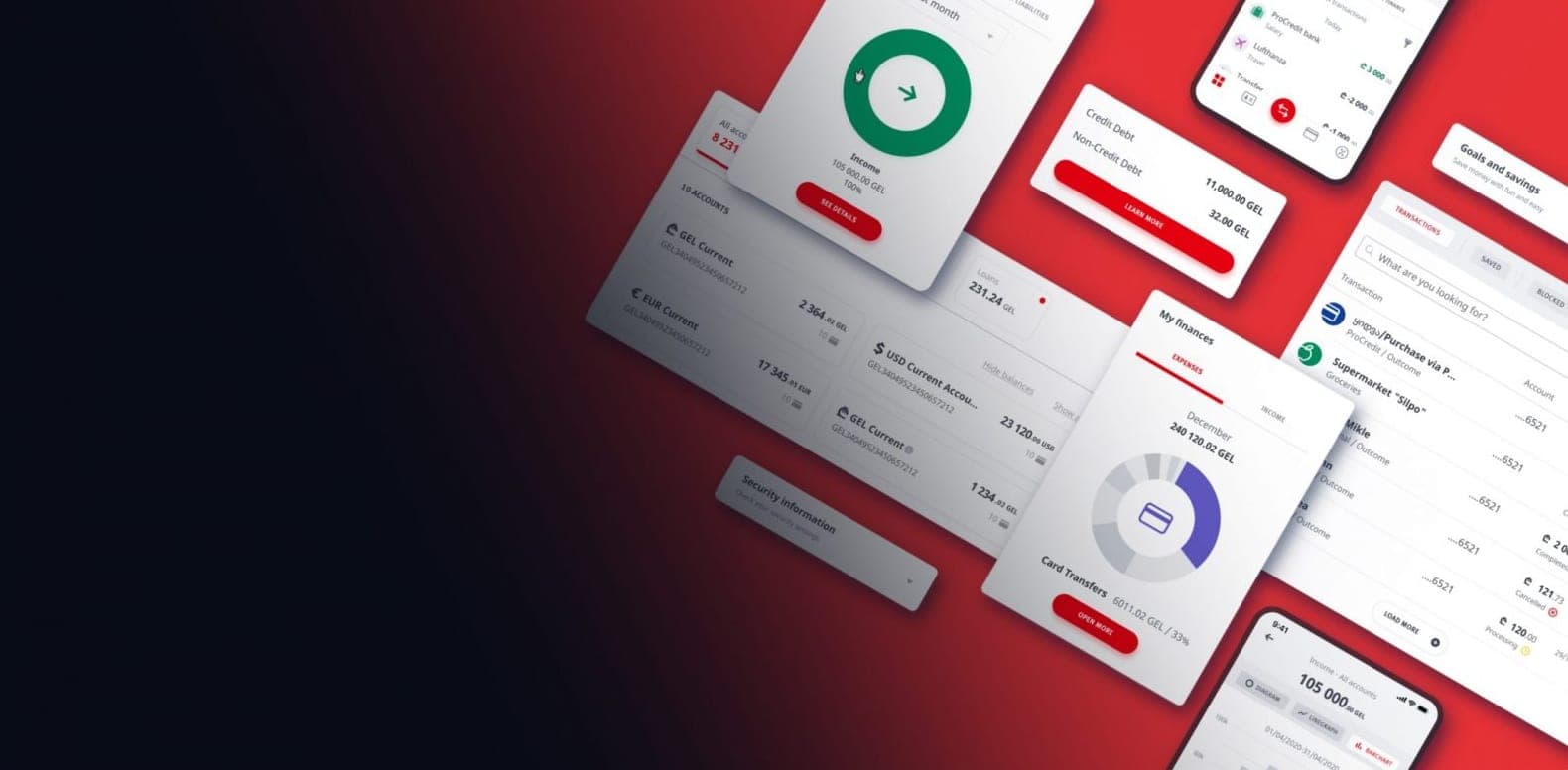
ProCredit Bank Georgia
Web and mobile online banking for a bank: research, design, the web front end, the iOS and Android apps, QA and project management. The bank's own team built the back end.Case study →
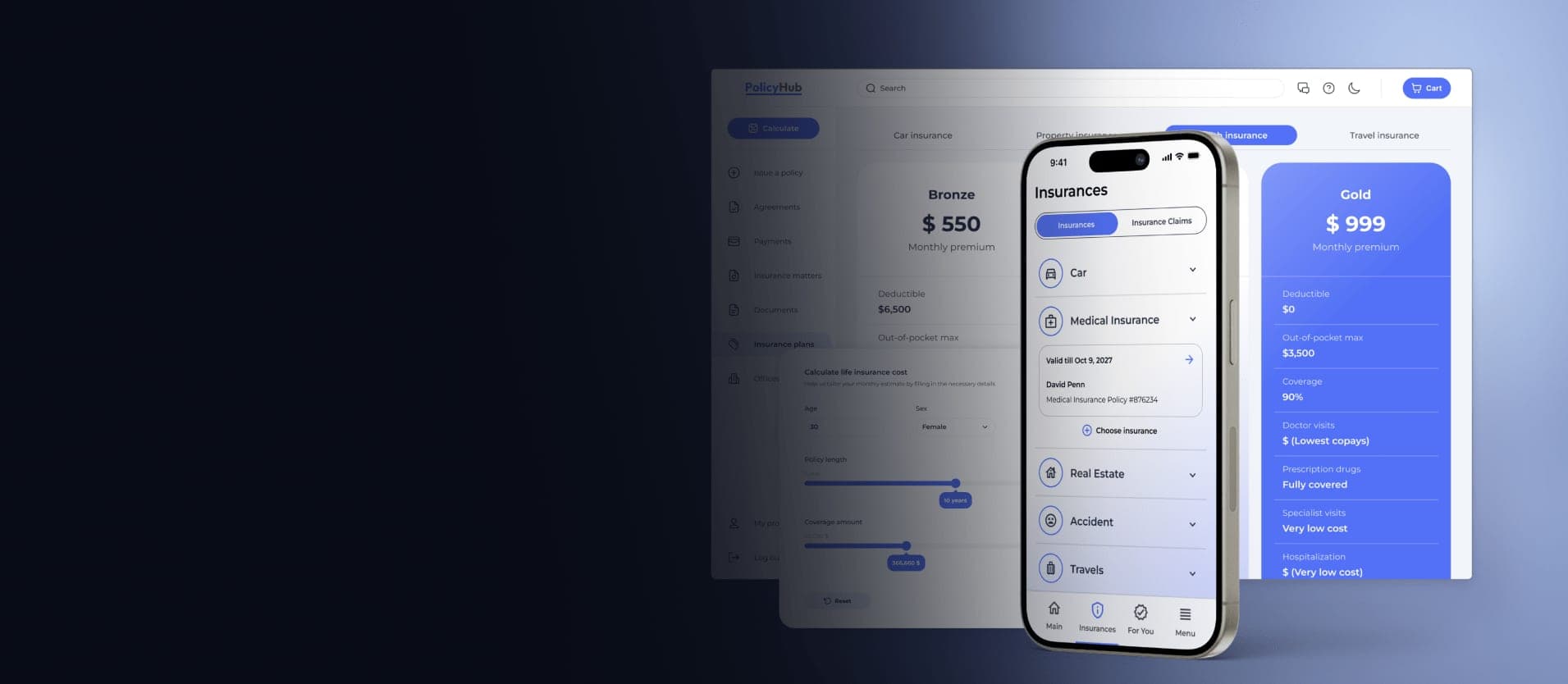
Policy Hub
An insurance platform modernized, with a new mobile app and automated claims steps.Case study →
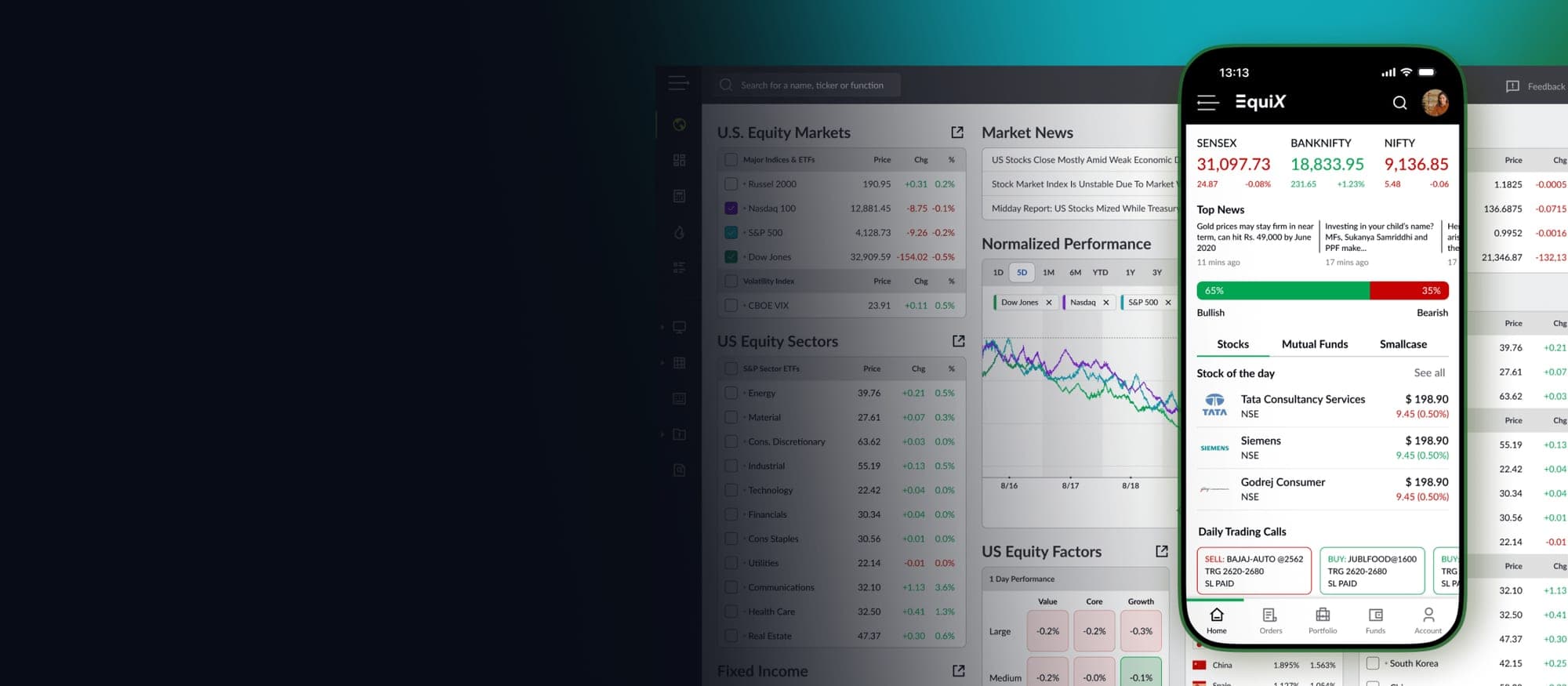
EquiX
A trading platform redesigned and rebuilt, with a new mobile app.Case study →
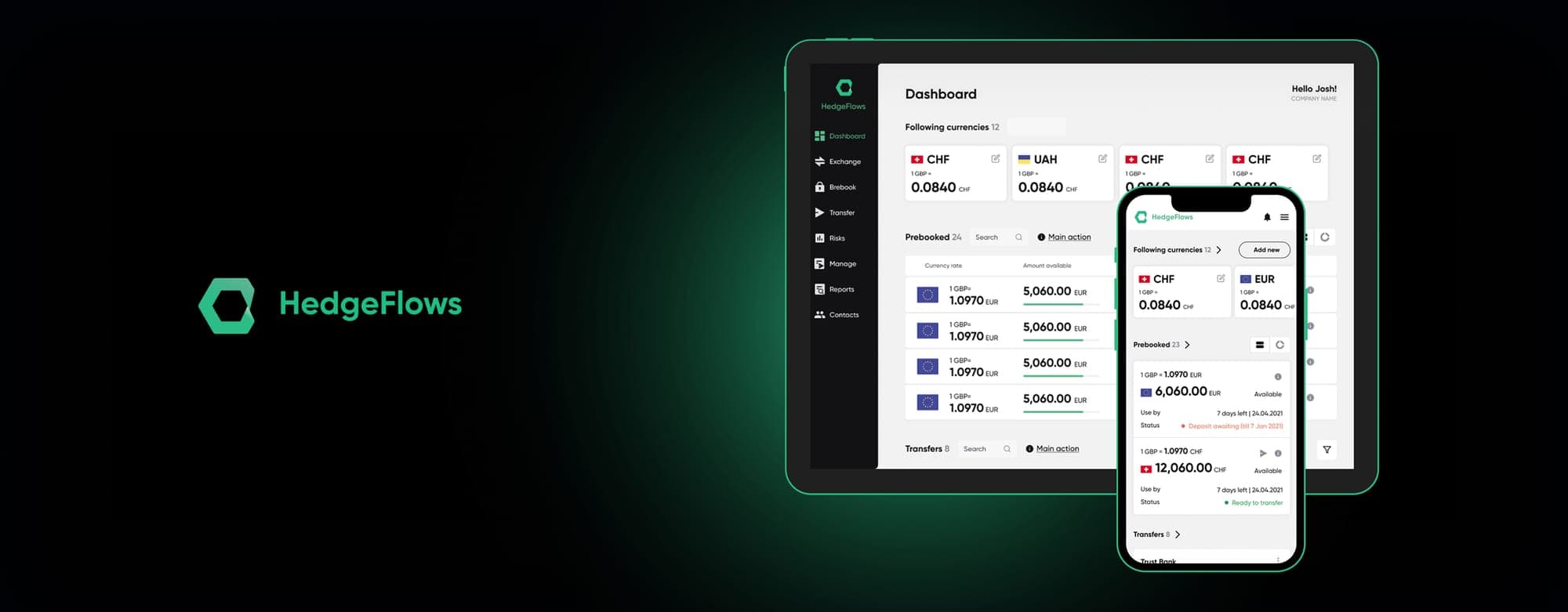
HedgeFlows
Cross-border business payments with automatic reconciliation, accounting-system integrations and booking of future exchange rates.Case study →
“Together with their team of experts, we were able to find an improved solution.”
First step
One flow taken apart
How long
about a week
From you
access to the product and, if there is one, analytics for the flow
You hold at the end
the flow's problems ranked by what they cost, and a concept for the key screens. The design is handed to your engineers as working front-end code, so what was designed is what ships. The code is yours, and who authorized each document, and when, is kept in your project.
Questions
What do your UI/UX design services include?
A UX audit of one flow or of the whole product, a review of onboarding and activation, a redesign where the findings call for one, and a design system defined as code.
What do your UX audit services deliver?
The flow's problems ranked by what each one costs, and a concept for the key screens. It starts with the flow that loses the most users.
What is a UX audit, and what do we get from it?
A UX audit takes one flow of your product, or the whole product, apart to find where users get stuck and leave. You get the problems ranked by what each one costs in lost signups or support load, the funnel data, session recordings and expert review behind every finding, a concept for the key screens, and the order to fix things in. It starts with the flow that loses the most users, and for one flow it takes about a week.
Is Artkai an AI design agency?
We use AI where it shortens the route: in discovery, the stretch before design starts, and in the step from an approved concept to a working front end. When a product has AI features, their design starts with what the user sees when the model is unsure or wrong.
What is design engineering, and why does it matter here?
Design engineering means the design arrives as a working front end: components built in React, browsable in Storybook and kept in your Git repository, with tests beside them. Your engineers build the logic behind screens that already exist.
Are you a design system agency?
We build design systems as part of the product work: tokens and components defined once, as code, so a new screen is assembled from parts that already exist and design and product stay in step.
Do you offer frontend development services on their own?
The front end comes with the design: components built in React from the approved concept, browsable in Storybook and tested. Your engineers take it from there, or an Agentic Pod carries on with the logic behind the screens.
Do you replace our front-end developers?
No. We take the interface layer: the screens and the components behind them. Your developers keep the logic, the data and the integrations, and they review our work the way they review any other change.
What if the design files and production have drifted apart?
We start from what is live, not from the files. The screens in production are set against the designs, each difference is either kept or fixed, and the design system is rebuilt from the result, so both describe the same product again.
How is a design engineer different from a front-end developer?
A design engineer works on both sides of the handoff: they make the design decisions and write the components that carry them. A front-end developer usually starts from finished designs and builds the logic and data around them. Ours stop at the edge of the screens, where your developers take over.
Are you a UI/UX design agency or a digital product design company?
We are a product design agency that also writes the front end. As a digital product design agency we cover research, redesign and a design system, and the result reaches your engineers as components in your repository.
Do you work as a SaaS UX design agency?
Yes. In a SaaS product the flow that loses the most users is usually signup, onboarding or activation, so that is where the work starts.