Service
Legacy application modernization services replace the old system in phases
Our legacy application modernization services replace an old system part by part while your business keeps running on it. We start from what the system really does, including the parts nobody documented, and you decide what changes and when. The replacement then goes out in phases, each with an estimate, drawn so that the system can stay in service while it is changed piece by piece.
The situation
A small change on Tuesday a broken export on Thursday
A change to a pricing rule goes out on Tuesday, tested and approved. On Thursday the customer statements stop matching the balances, because a nightly job in another part of the system reads the same table. Nobody had that job on a list. The next change waits behind a week of manual checking, and the one after that is quietly dropped from the roadmap.
The people who wrote the rules have moved on, and what the system really does now lives in the code alone. So every change is a bet, and the safest choice each quarter is to touch nothing. That is how an old platform ends up holding back the mobile app, the cloud move and the new product all at once. Legacy system modernization has to start with what the code does today, or the rewrite inherits the same surprises.
How we work
Legacy system modernization from the map to the last retired module
An audit of the system before anyone changes it
Two people from our side get access to your code and sit down with whoever knows the system best. Agents read the code with them, so nothing depends on what someone remembers. What comes out is a map: the applications, services and databases, what depends on what, the scheduled jobs and shared tables that tie parts together, and what nobody calls any more. Our earlier modernizations, for a merchant-payments platform and an insurance platform, began the same way, with an audit of where the bottlenecks were and which functions the business could not afford to lose.
What the system does gets written down and confirmed
Behavior that lives only in the code is stated in plain sentences and confirmed by the people who know the business. The confirmed statements become test cases that every later change has to pass, so a rewrite is checked against what the old system did, not against what someone thinks it did. Reconstructing product logic from legacy code is a capability of the Artkai AI SDLC, shown in one engagement for a health-tech company, where agents documented a portfolio of acquired products and turned the validated requirements into test cases. Our earlier modernizations were delivered before the method existed.
A modernization strategy part by part: keep, rewrite or retire
Application modernization seldom means rewriting everything. Each part of the system is marked keep, rewrite or retire, with the reason, and each feature that stays in the plan carries an estimate, so you see what a choice costs before you make it. Some parts are sound and cheap to keep. Some are worth rebuilding on a current stack, the way a monolithic PHP back end was split into Node.js services for the merchant-payments platform. Some can simply be switched off.
Phases are built to go live one at a time
The legacy application migration follows the phase plan: the back end, the web front end, the mobile app and the hosting each move when the plan says so, and each phase releases something on its own. Every phase is built and released through the gates of the Artkai AI SDLC, and the documents that authorize it stay in your project, so the people who inherit the system can read how it was changed. A problem then shows up in one phase, not across the whole system.
System map
- System in scope
- The applications, services and databases covered, who uses each, and the parts that were left out on purpose.
- What it does
- The behaviors that users and other systems rely on, written as plain statements. Each is marked confirmed by the person who knows the system, or still open.
- Keep, rewrite or retire
- A verdict per part with the reason: sound and cheap to keep, fragile and worth rewriting, or no longer used by anyone.
- What breaks if it changes
- The integrations, scheduled jobs and shared tables that tie parts together, so no phase surprises the one before it.
- Phase plan
- The phases, what each one releases on its own, and an estimate per feature, with the open questions listed next to the estimates they affect.
What you get
From an old system nobody can explain to one your team can change
The map says what the system does and what to do with each part, the tests hold its behavior in place, and the phases replace it without one big switch-over day.
A map of the system and a plan
What you have, what depends on what, and what each part is worth keeping.
- The applications, services and databases in scope, and who uses each
- The integrations, scheduled jobs and shared tables that tie parts together
- Keep, rewrite or retire for each part, with the reason
- A phase plan with an estimate per feature and the open questions beside it
Behavior pinned down as tests
The rules buried in the code, stated once and checked on every change.
- Product logic nobody documented, written down
- Each behavior written as a plain statement
- Statements confirmed by the people who know the business
- Test cases built from the confirmed statements
The system rebuilt, phase by phase
Software modernization services on the parts the map marked for it, released one phase at a time.
- Back ends split out of a monolith where the map calls for it
- Web front ends and mobile apps rebuilt on a current stack
- Hosting moved from your own servers to the cloud where the plan says so
- Each phase released through the gates of the Artkai AI SDLC
- The documents that authorized each phase kept in your project
Proof
Payments, insurance, trading and hospital systems we modernized
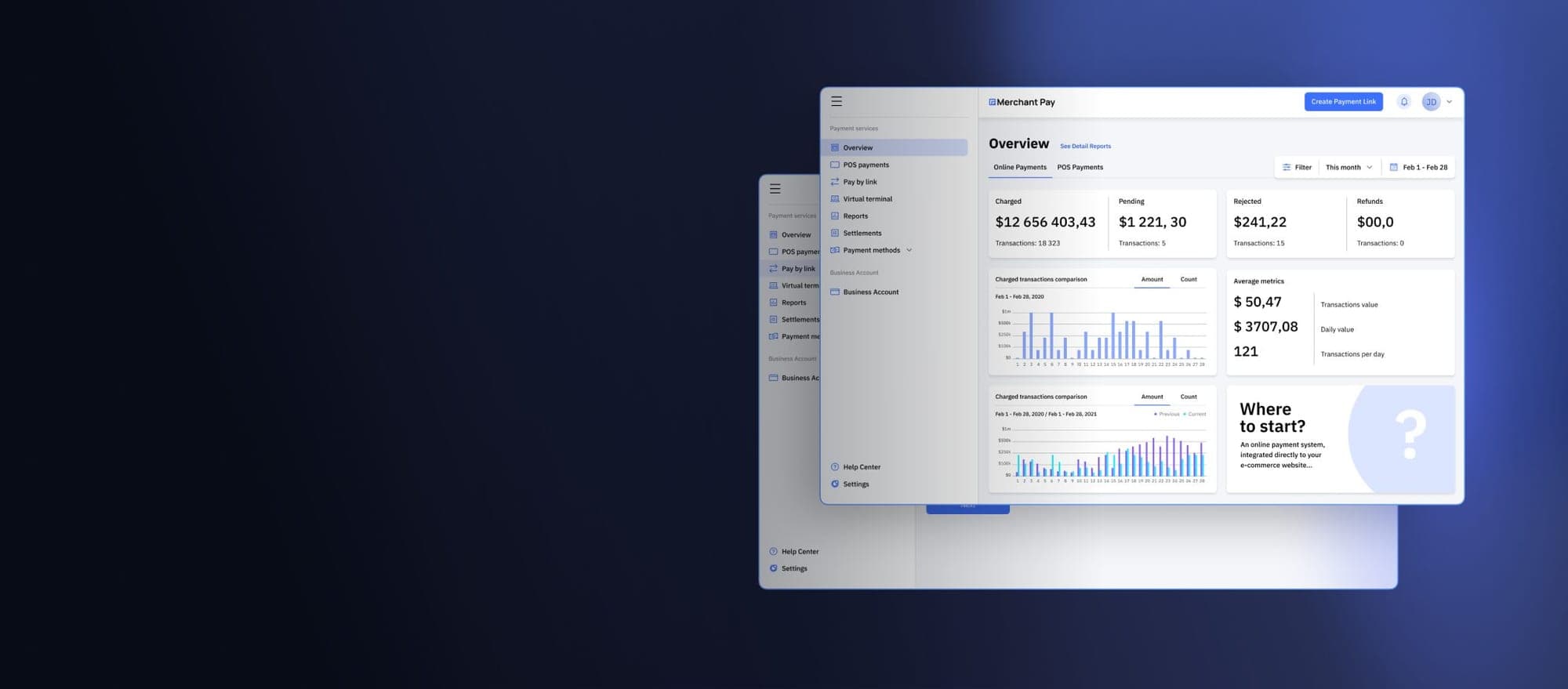
Merchant Pay
A merchant-payments platform audited, rebuilt and moved to the cloud.Case study →
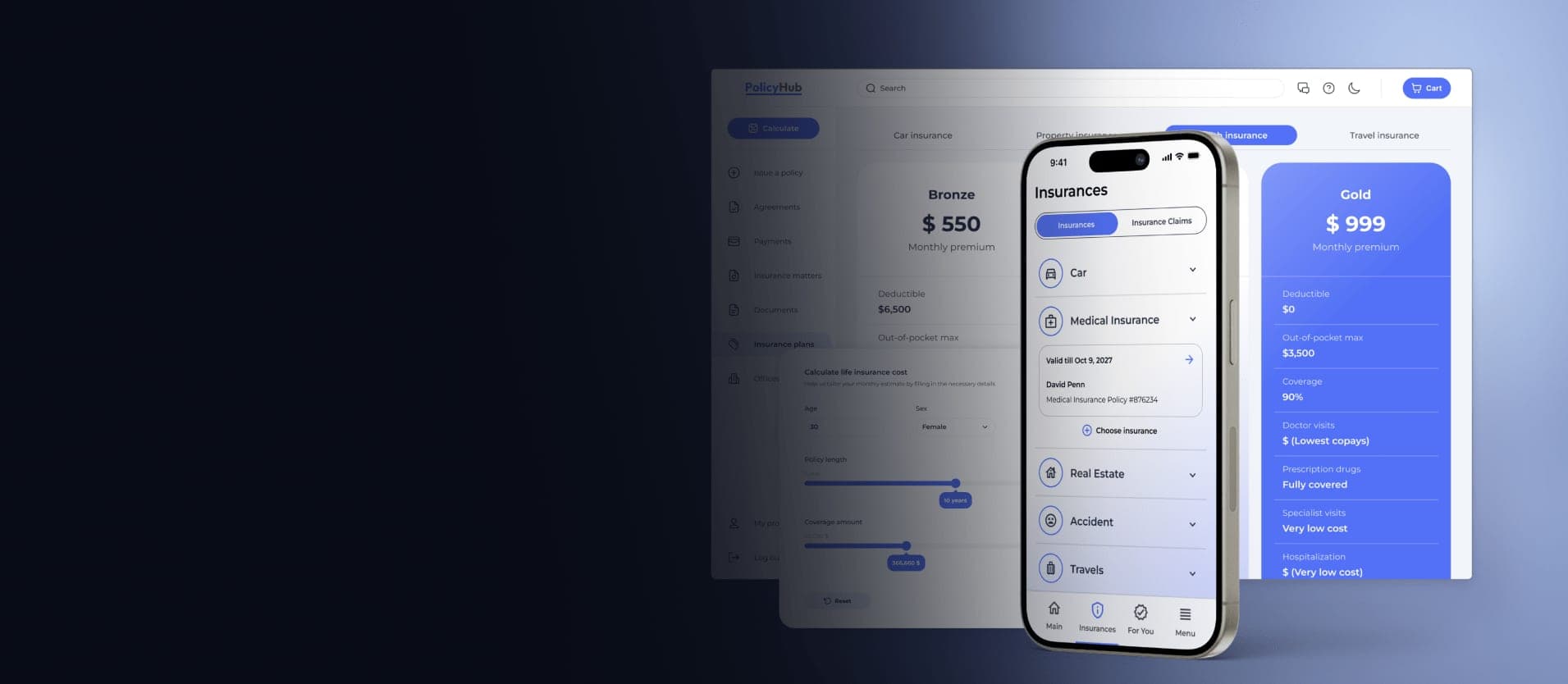
Policy Hub
An insurance platform modernized, with a new mobile app and automated claims steps.Case study →
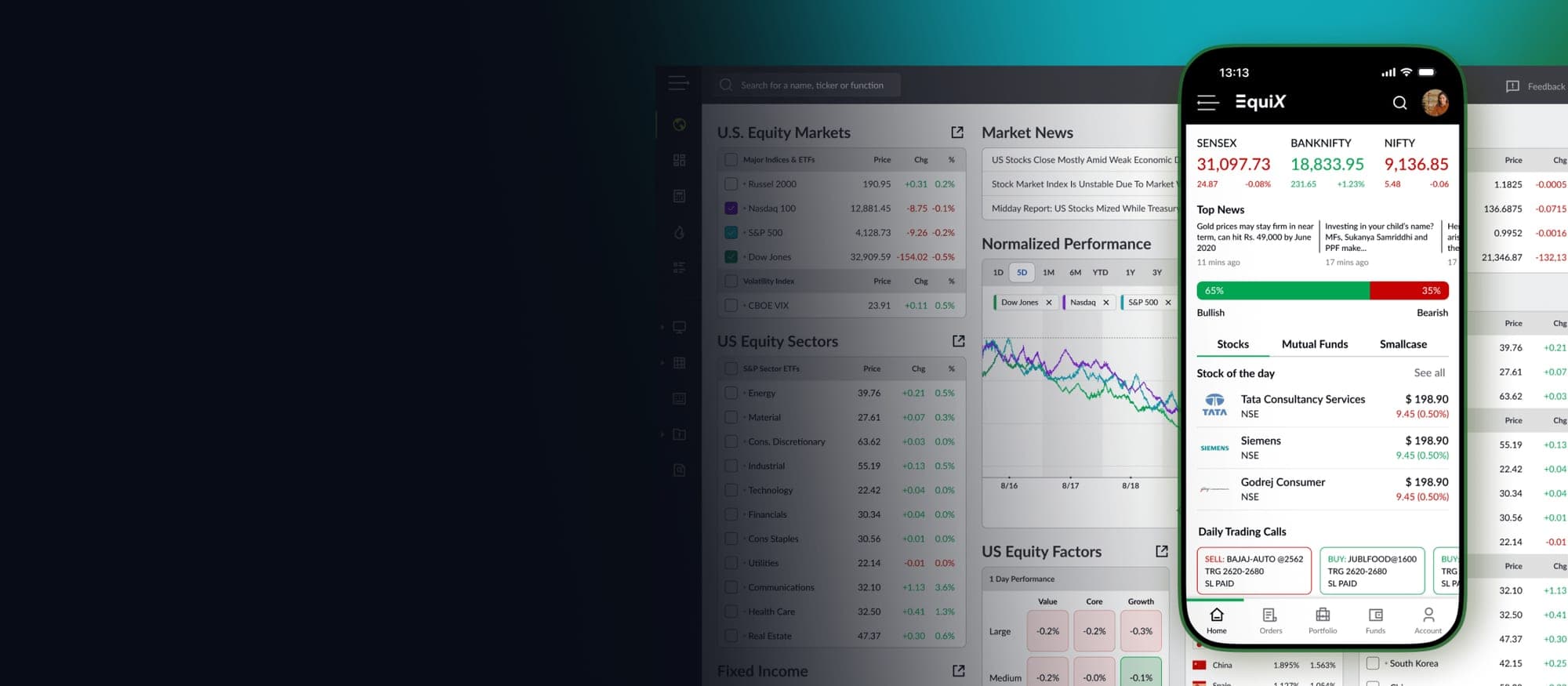
EquiX
A trading platform redesigned and rebuilt, with a new mobile app.Case study →
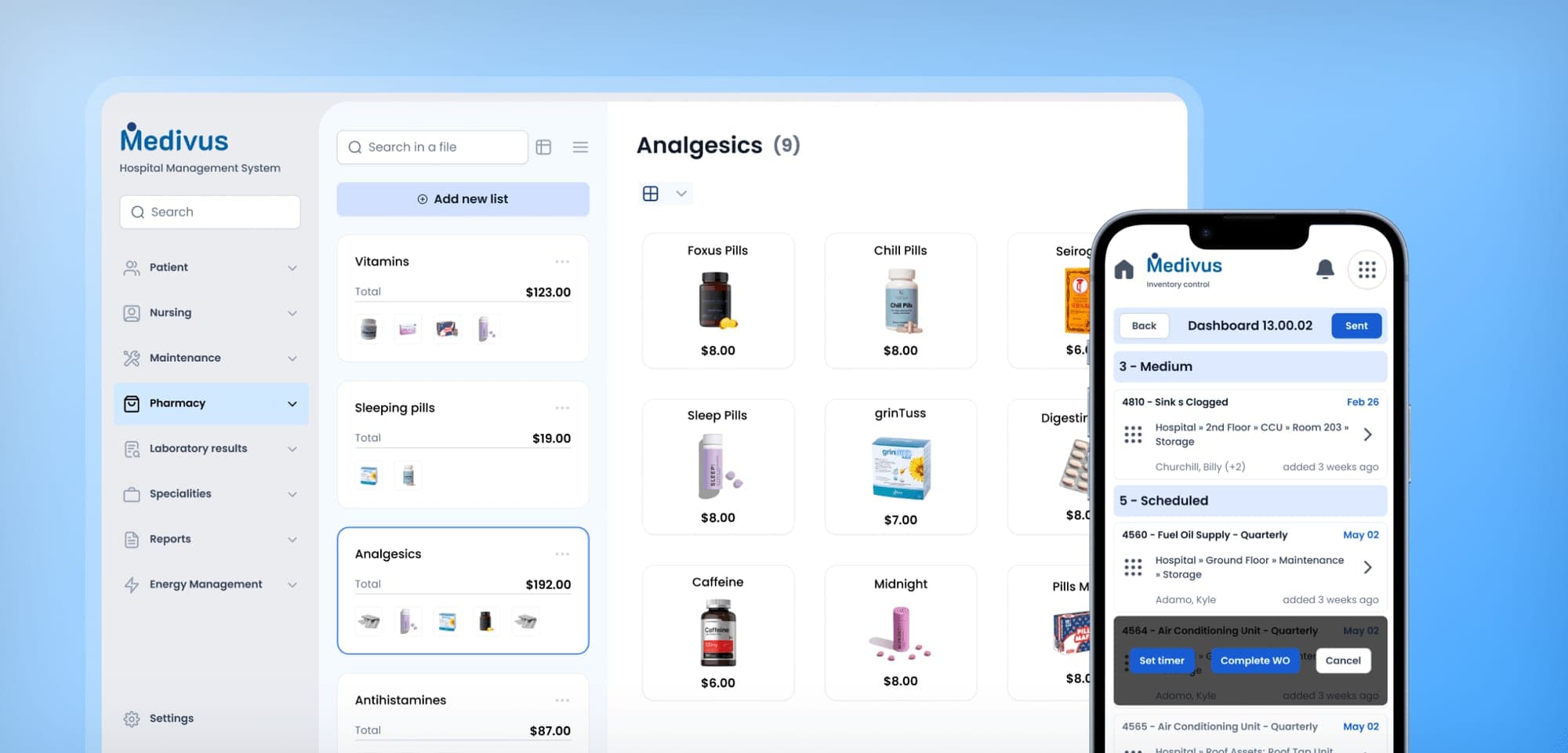
Hospital Management System
A technical audit, redesign and modernization of a hospital management system used by clinics across the United States.Case study →
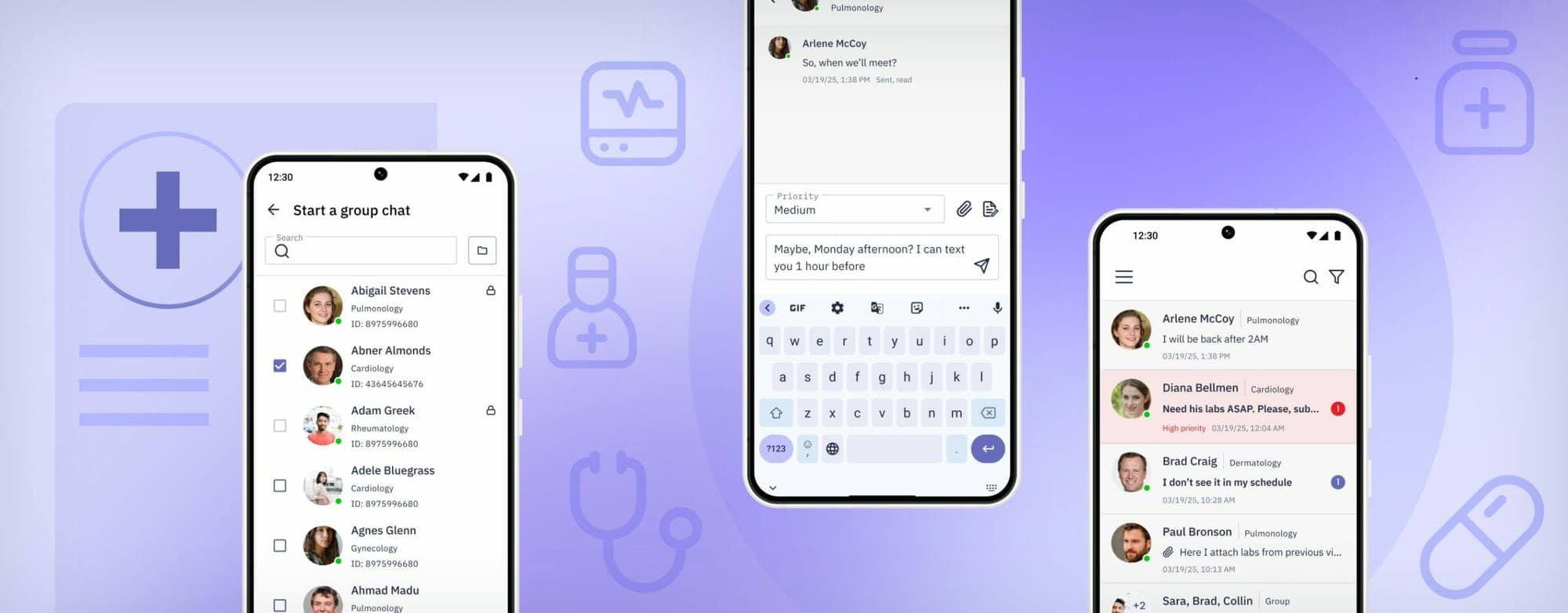
CareLink
A secure chat system for doctors and clinical staff within and across clinics, redesigned and modernized.Case study →
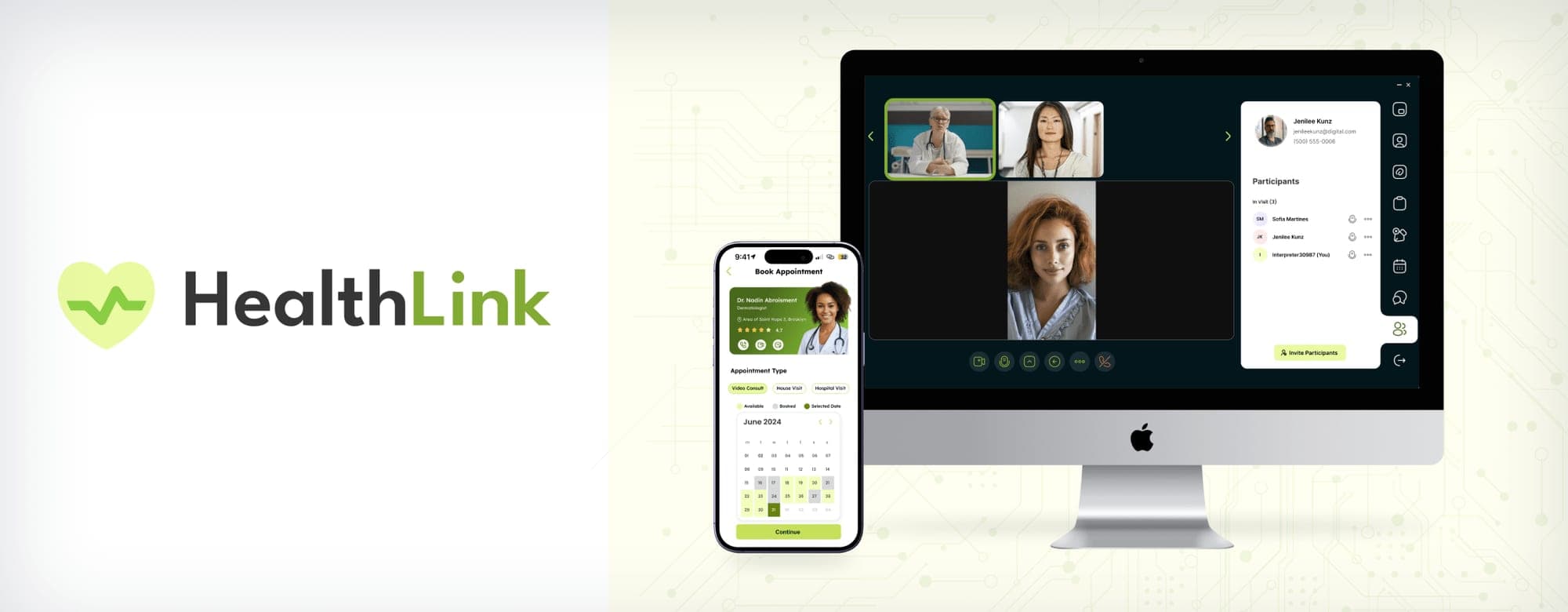
HealthLink
A telehealth platform for clinicians and patients, with video consultations and e-prescriptions, rebuilt after a UX and technical audit.Case study →
First step
System map
How long
up to 2 weeks, two people from our side
From you
access to the code; someone who knows the system
You hold at the end
a map of the system, what to keep, rewrite or retire, a phase plan with per-feature estimates. The code is yours, and who authorized each document, and when, is kept in your project.
Questions
What do your legacy modernization services start with?
A map of the system: what it does, what depends on what, and what nobody calls any more. Two people from our side read the code with whoever knows the system best, and you end with a keep, rewrite or retire verdict for each part and a phase plan with estimates.
Can the system stay in service during legacy system modernization?
That is how the plan is drawn. Each phase is built to go live on its own, and the map lists the jobs, integrations and shared tables each phase touches, so the system can keep running while it is replaced piece by piece.
How do you modernize code nobody can explain any more?
Agents read the old code and help reconstruct its product logic in plain sentences. The people who know the business confirm them, and the confirmed statements become test cases that every later change has to pass. We did this for a health-tech company whose products had been built by different teams in different ways.
Are application modernization services always a full rewrite?
No. Each part of the system is marked keep, rewrite or retire, and each feature that stays in the plan carries an estimate, so you see what a choice costs before you make it. Parts that are sound stay as they are.
What are app modernization services, and how are they different from legacy application migration?
A migration moves an application to a new place, such as from your own servers to the cloud, largely as it is. App modernization changes the application itself: its architecture, its interface and the stack it runs on. Our modernizations usually did both, in the order the plan set.
Do you offer cloud application modernization?
Yes, where the plan calls for it. A US merchant-payments platform moved from the company's own servers to AWS and Google Cloud, which lowered its infrastructure cost. An insurance platform was rebuilt on Azure, inside the Microsoft environment the client already had.
Which legacy system modernization approach do you use?
A phased one, decided part by part rather than for the whole system at once. The map shows which parts to keep, which to rebuild and which to retire, and the phase plan sets the order so that each phase releases something on its own.
Do your legacy app modernization services cover the web front end and the mobile app?
Yes. For the merchant-payments platform an AngularJS front end moved to React and Next.js, and a Cordova app to React Native under one design system. An insurer and a trading platform both got a new mobile app as part of the modernization.
What kinds of legacy systems have you modernized?
A merchant-payments platform, an insurance policy and claims platform, an online trading platform, a hospital management system used by clinics across the United States, and a secure chat system for clinical staff.
Do you offer legacy software modernization services for one application or for a whole platform?
Either. The system map covers the applications, services and databases in scope, whether that is a single application or a platform of several, and the phase plan follows from what the map shows.
Related
AI MVP Development
When the map says to build the replacement as a new product beside the old system.
AI SDLC Enablement
When your own team will carry the system after the phases, and the way of working has to become theirs too.
Financial Services
The payment, insurance and trading platforms we rebuilt, and the rest of the work behind them.