The full case study
BeverageX, step by step
On this page · 5 sections
About the business
The driving idea behind BeverageX is to create a modest inventory solution that will simplify operations and fuel growth for the alcohol beverage industry.
The background of the product lay in observing a beverage landscape to become much more competitive with online ordering and large chains. What happened is that the suppliers, distributors, and retailers did not have a common channel for communication. Their processes were not unified, and no standard system could unite everyone. It only worsened after the pandemic broke out since many processes were offline and required human interactions.
The issue was especially crucial for the small stores. Apart from general issues with outdated inventory solutions, there was another point. Due to their sizes, small industry players had no access to limited brands, which required a certain amount of purchases. That was the wall a single small store couldn’t break in solo. BeverageX aimed to invent a solution for this problem as well.
Project tasks
- Build a cloud-based tool that will automate and process the work of suppliers, distributors, and retailers
- Bring opportunities to purchase private labels for big and small stores through crowdsourcing
- Devise an effective onboarding process that will allow starting working with remote orders in the course of a week
Project team
Team: 2 iOS engineers, 2 Android engineers, 2 Back-end engineers, Front-end engineer, DevOps, 2 QA engineers, Project manager, Business analyst, Solutions Architect.
5 for research and UX/UI design
7 for web & mobile development
Design and development are done in parallel after the research and discovery phase.
Product development
Project Structure & Development approach
The first thing we needed while creating BeverageX was to learn more about the market, users, their requests, and needs. Building an app for four types of users was demanding.
Communication with the client helped to determine the target audience and get deep insights into its needs. The client described tasks that the platform should perform and business ideas for solving current problems. We, in turn, were coming up with the best technical solutions and features. It started by making hypotheses and proceeded with testing them.
The work at the project was structured into three main stages:
Planning:
We ensured that all features from the sprint backlog were prioritized according to the client’s needs. The next step was to verify that feature complexity and time of their execution fit well into two weeks period. All the tasks from the sprint were assigned, and team members were aware of task details and sprint goals.
Execution:
During that phase, the team worked internally on the design, intending to finish all features planned and then release them to the client. The duration of the execution phase varied from 1 to 2 sprints depending on the complexity of the features.
At the end of each sprint, we presented the 100% completed features that met the acceptance criteria to the client. If the demo did not terminate some part, we would move it to the next sprint and ensured that future sprints were rearranged and the timing was updated.
Client’s reviews:
After the presentation, was able to review the design and provide feedback. All the requests for changes were added to the product backlog and prioritized.
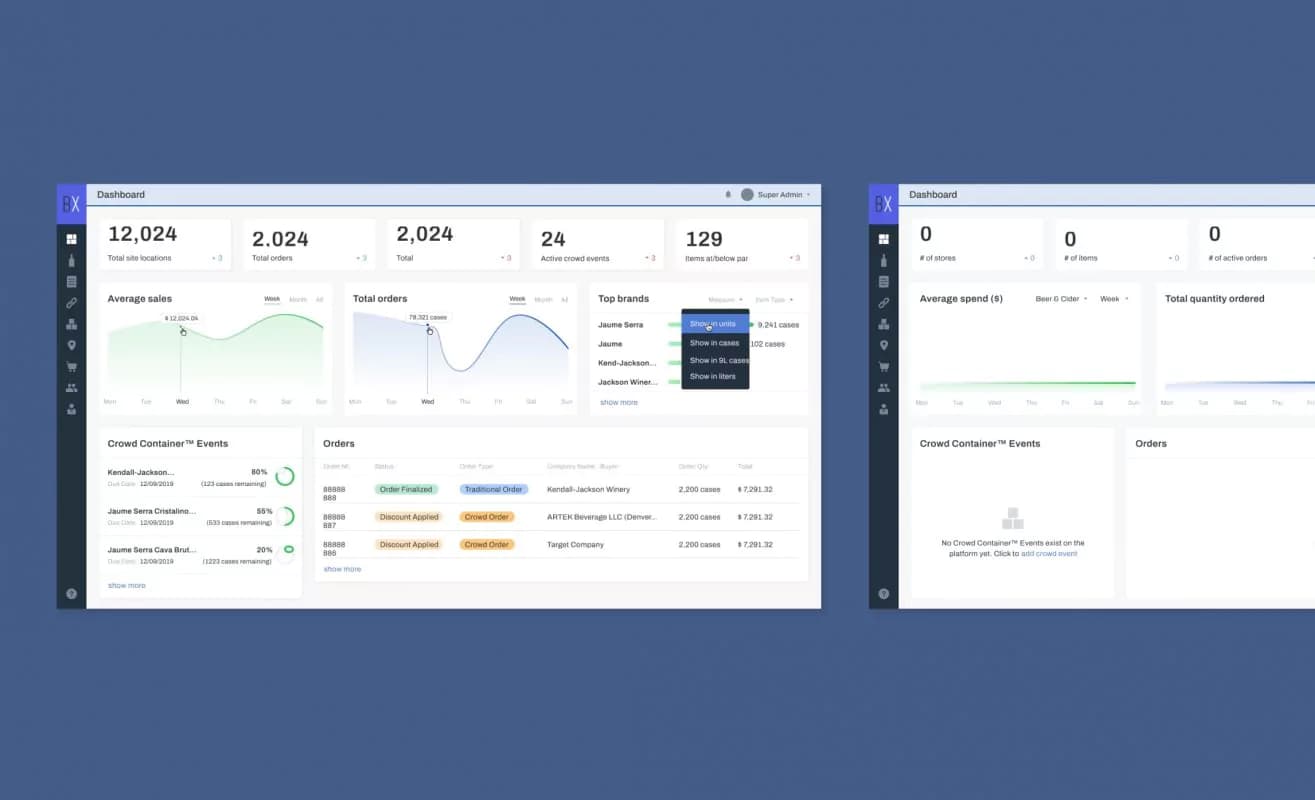
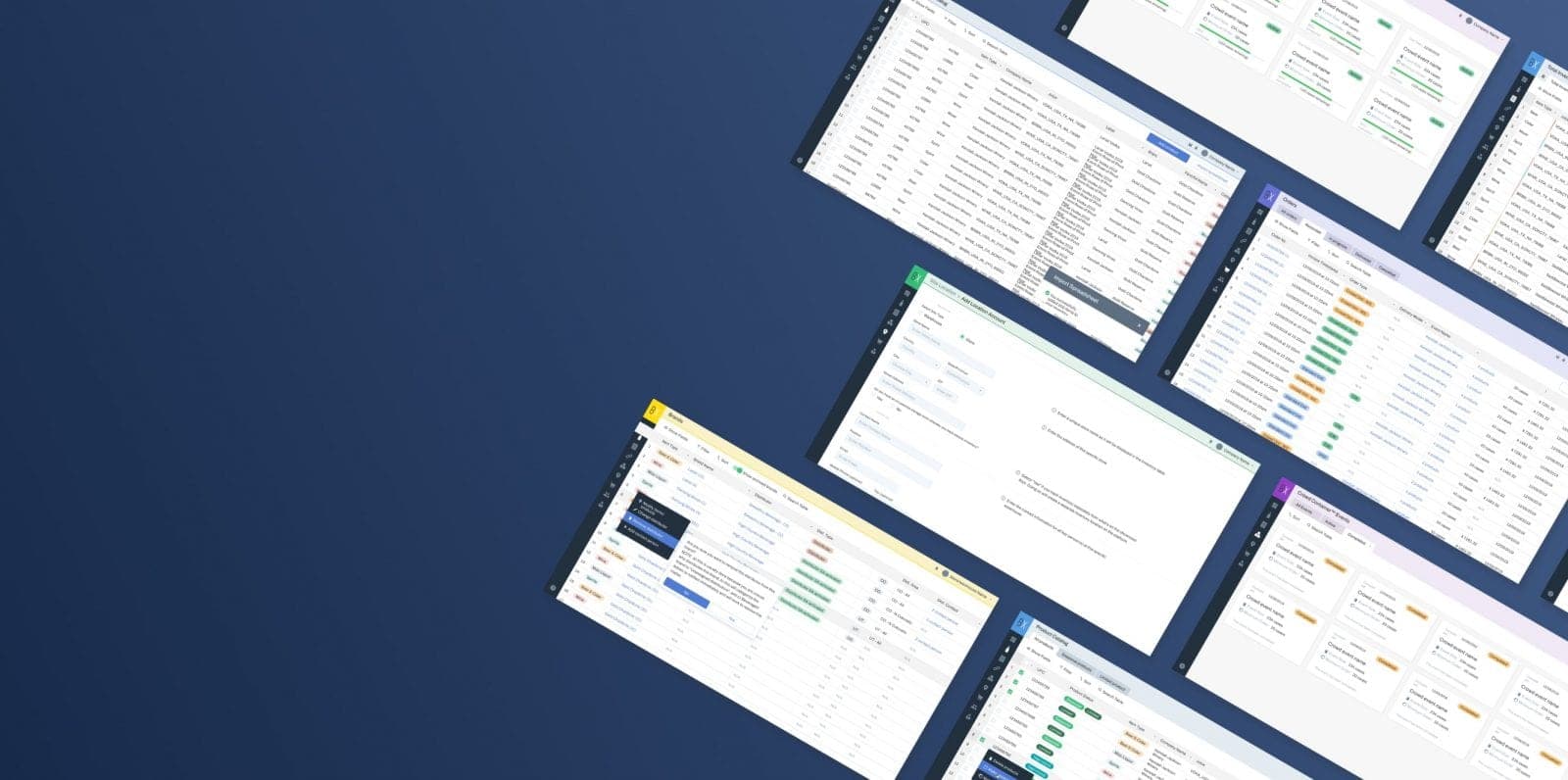
Platform functionality
Connection
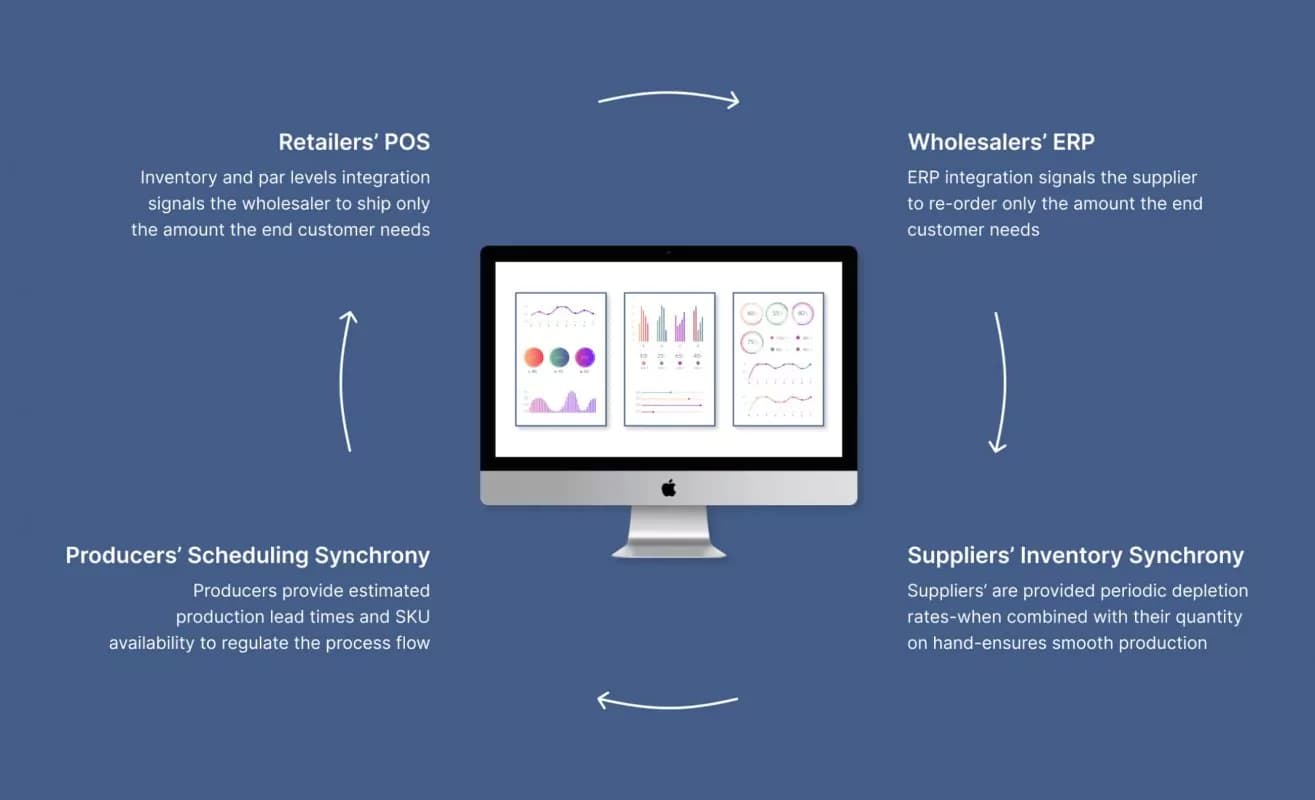
Improved communication channels between liquor stores, distributors, and producers
Automation
Provided an instrument of predictive analytics and automated ordering
Opportunities
Brought opportunities to purchase private labels for all stores, big and small, through crowdsourcing
Management
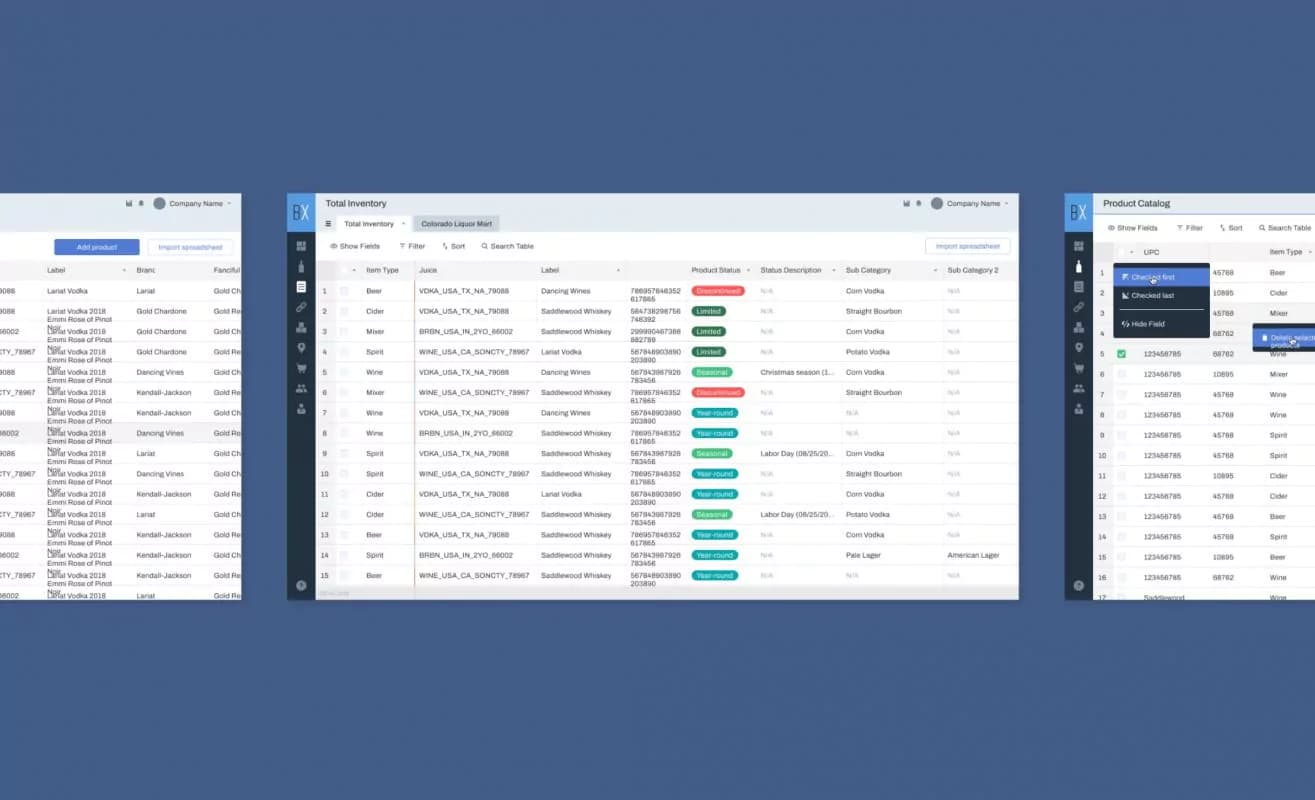
Understood the store’s market and increased efficiencies through inventory management
Productivity
Allowed companies to focus on customer-centric jobs instead of mundane bottle counting.
How product components work
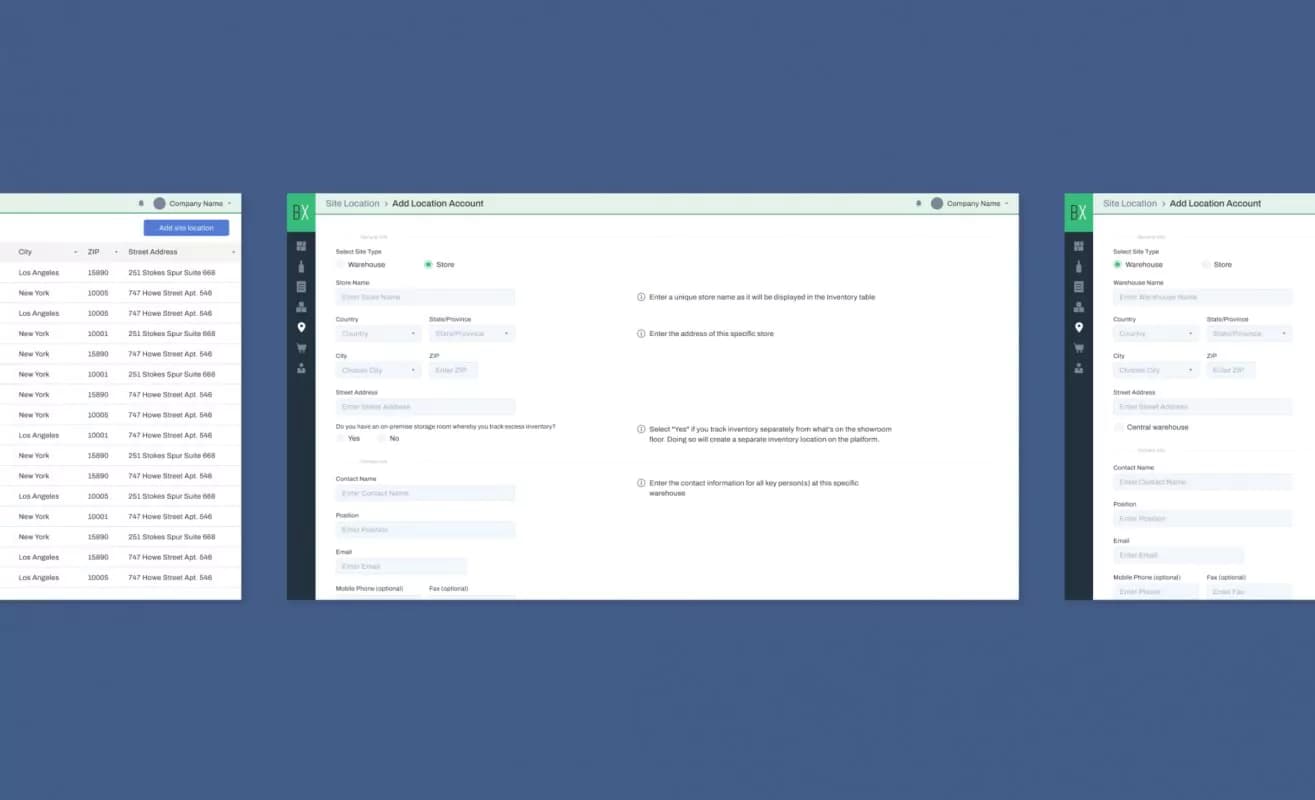
Outcome
We delivered an efficient solution on the market that finally connected all four tiers — retailers, distributors, suppliers, and brands. We made it possible to make sophisticated ordering and product management, crowdsourcing in private labels, and keeping a close eye on sales and market trends.